The Hands That Feed Us
Immigration, I.C.E. & Our Food System
“This is the justice that we are learning from the ecologists: you cannot damage what you are dependent upon without damaging yourself.”
― Wendell Berry, The Unsettling of America: Culture & Agriculture
October, 13, 2026
Our mission at the Neighborhood Farmers Markets is to help Washington family farms thrive by organizing safe, successful farmers markets and broadening access to local food for people in Seattle. It is vital that everyone - farmers and shoppers - are safe and welcomed in these public spaces.
The fear and confusion caused by current immigration policies and enforcement by I.C.E. is disrupting the lives of the people who grow, harvest, sell, and even buy local food. This environment of fear can be damaging to our collective efforts within the local food community. We see examples of these disruptions in our work and conversations with other market operators, farmers, and community members:
Local news sources, from Kiro 7, King 5, and The Seattle Times, have been reporting the increase in I.C.E. activity targeting Washington farms and farm workers this year, stating deep concern over worker availability and safety.
Many agricultural workers have stopped coming to Washington. And the ones that are here, are scared to come to work. This includes coming to the farmers markets.
Revised rules from the Department of Homeland Security (DHS) remove clarity about who is affected by ‘public charge’ rules - creating misinformation and a chilling effect for immigrants who use programs like SNAP and WIC.
The effects of these changes reach far beyond individual workers or farms. They touch every part of our regional food system.
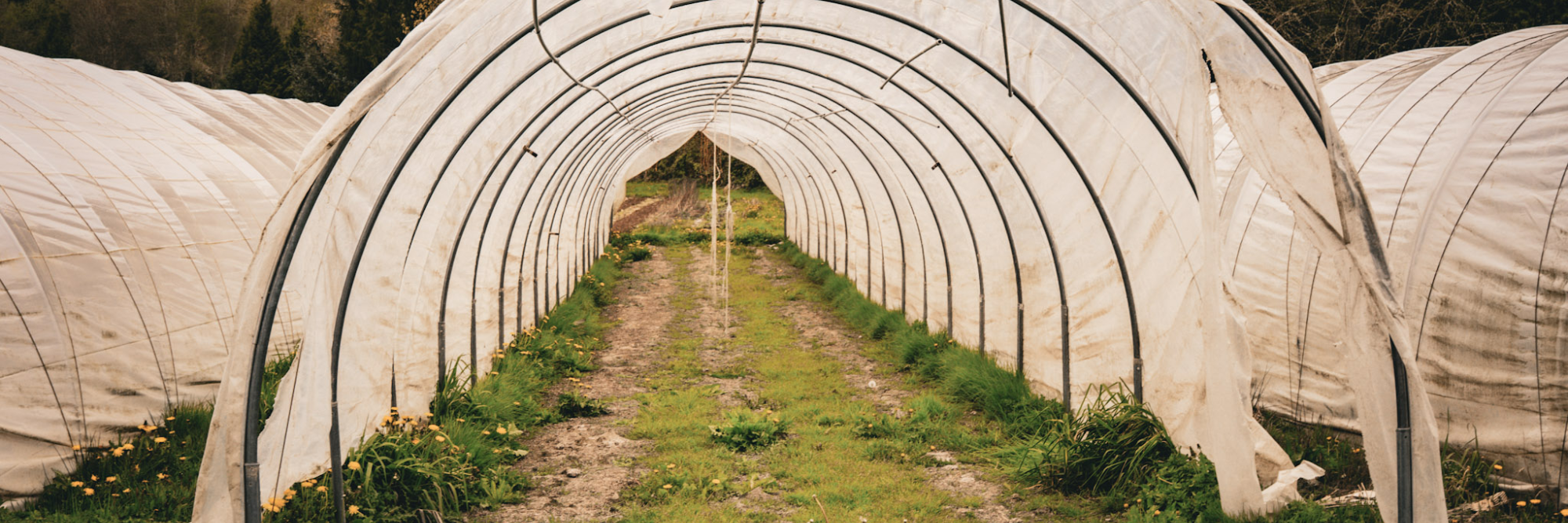
Farmers already operate on narrow margins and face increasing pressure from labor shortages, rising costs, climate impacts, and market uncertainty. When experienced workers are afraid to come to work, leave the state, or struggle to access critical support services, farms lose essential capacity during some of the most important weeks of the growing season. For many small and mid-sized farms, even a temporary labor disruption can mean crops left unharvested, reduced market attendance, and significant financial losses.
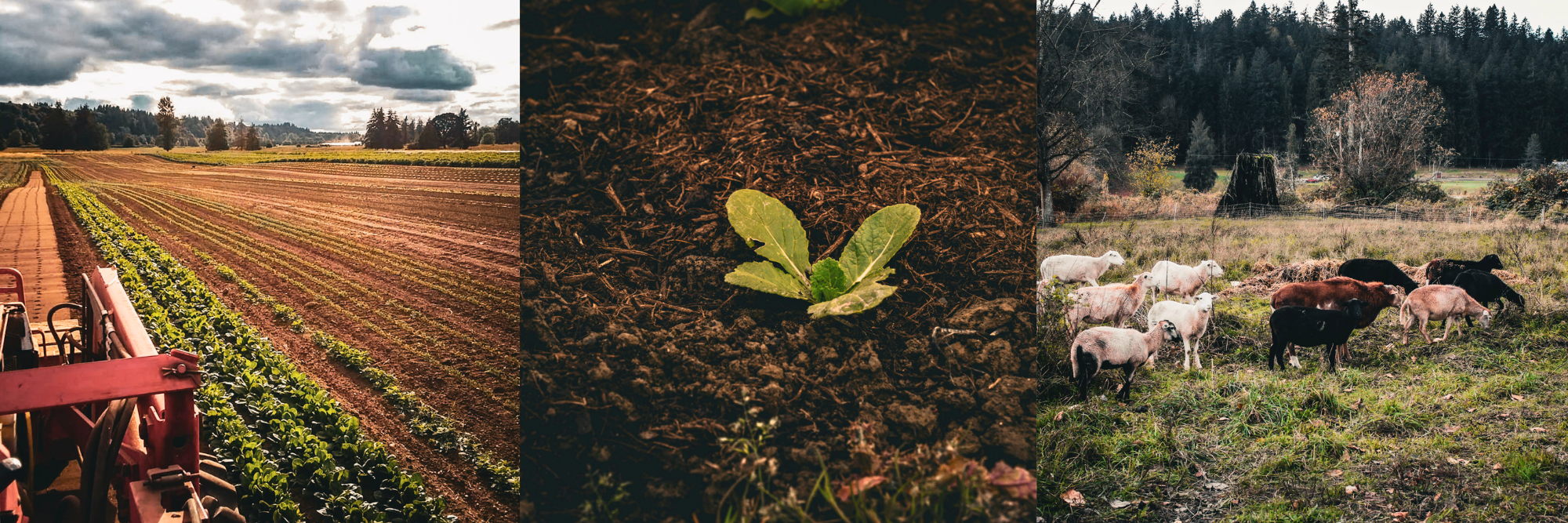
At farmers markets, we see firsthand how interconnected these challenges are. Farmers markets provide one of the few places where farmers can sell directly to their communities and retain a much larger share of every food dollar. For many vendors, market sales are not supplemental income; they are a core part of running a viable business. When farms cannot reliably staff their operations, everyone is affected, from the farm families themselves to the customers who rely on local food each week.
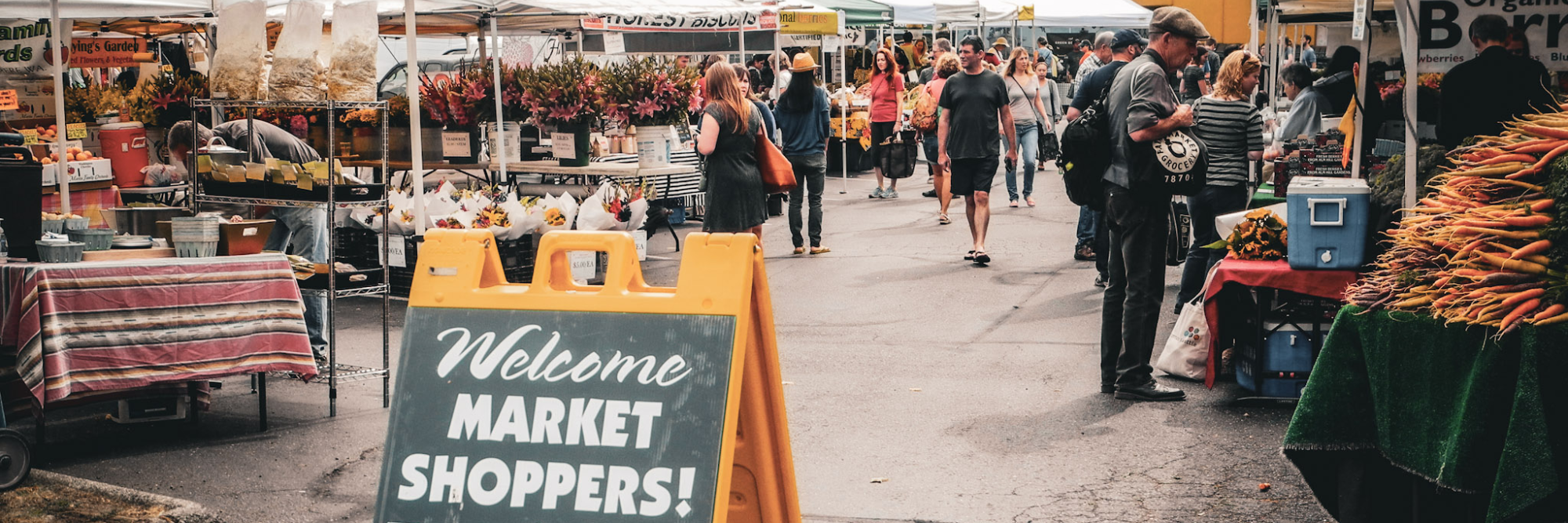
The consequences extend beyond farm economics. Washington's food system depends heavily on immigrant workers whose skills, experience, and knowledge sustain agricultural production across the state and beyond. These workers plant, prune, harvest, pack, transport, and process the food that fills grocery stores, restaurants, schools, food banks, and farmers markets. When policies create fear and instability within this workforce, the result is a less resilient food system across the country.
Dr. Jacob Vigdor, a professor of economics and public policy and governance at the University of Washington stated in his interview with King 5 news,
“In the Western United States, we have relied on immigrant labor to do a lot of the agricultural work since the 1940s. If we can no longer bring workers here to harvest food in the United States, then we’re looking at a future where we’re just going to be importing even more of our food. It’ll mean higher prices.”
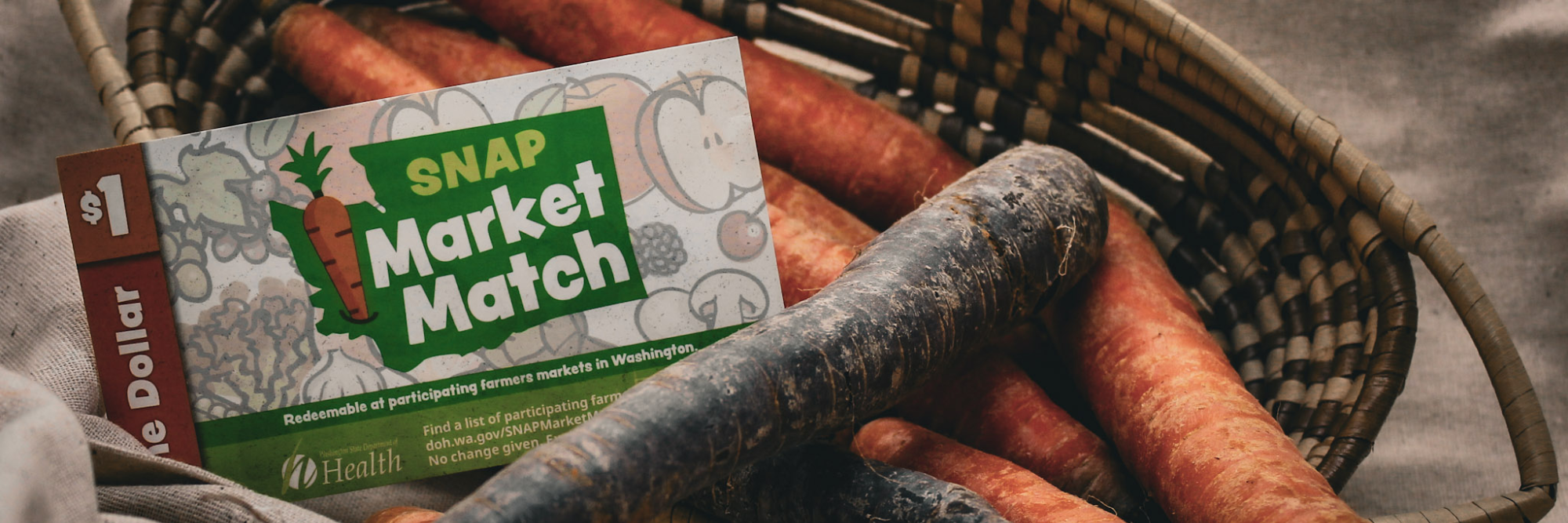
There is also an impact on food access for community members. Confusion surrounding public benefits policies can discourage eligible immigrant families from participating in nutrition programs that help them put food on the table and help make up a portion of farmers market sales that sustain small farmers. At a time when food costs remain high for many households, barriers that prevent families from accessing healthy food undermine both individual well-being and broader public health goals.
Most importantly, these impacts are deeply personal. The people affected are not abstract statistics. They are neighbors, farmers, start-up food businesses, customers, coworkers, and friends. Across Washington, farm operators have spoken publicly about the fear and uncertainty facing workers they have known for years. The relationships that sustain local agriculture are built on trust, and that trust is harder to maintain when individuals worry about their safety, their families, or their future.
A strong regional food system depends on more than farmland and infrastructure. It depends on people. It depends on workers feeling safe showing up to harvest crops. It depends on farmers having the labor they need to stay in business. It depends on families being able to access healthy food without fear. And it depends on communities recognizing that when one part of our food system is harmed, the effects are felt throughout the whole system.
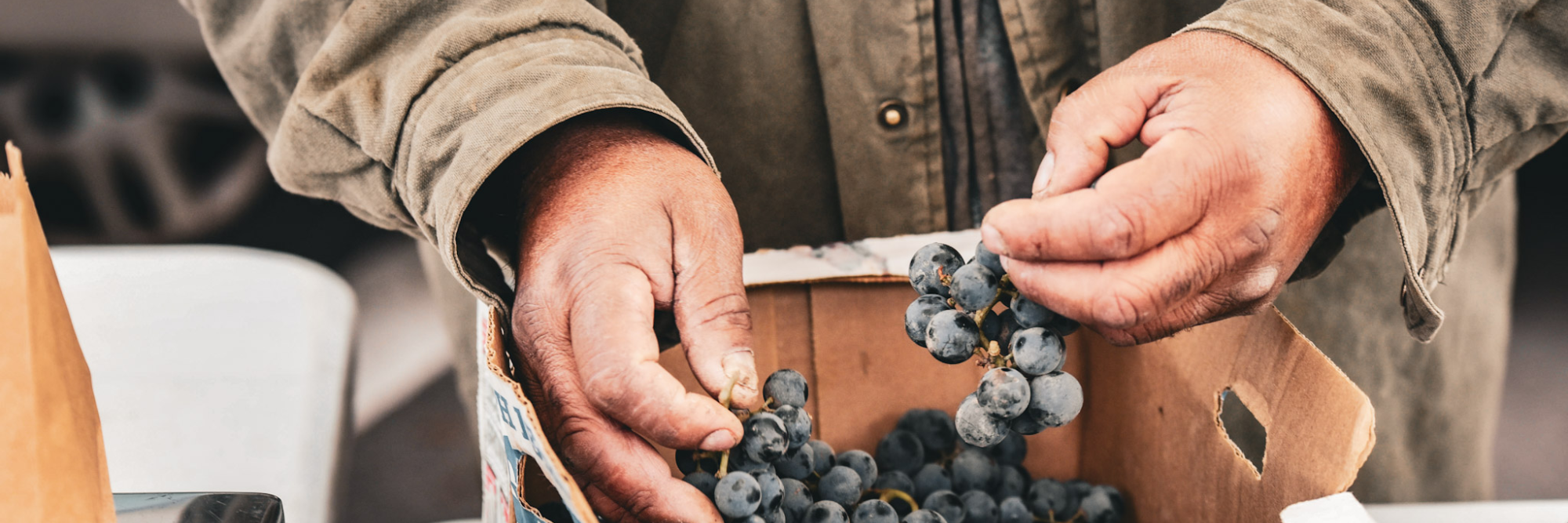
As Wendell Berry reminds us, we cannot damage what we depend upon without damaging ourselves. If we value local food, thriving farms, and vibrant community spaces, then we must also value and support the people whose labor makes those things possible.
Actions you can take to help today:
— Vote. This is a midterm year and it matters who is elected to lead and form future policies. Vote for representatives that view food systems and community as a high priority. If you’re not already registered to vote, please register here.
— Oppose restrictive policies and enforcement that unfairly target immigrant populations across the nation by contacting your local and state representatives.
— Call on your Members of Congress to pass the Protect American Values Act, which is legislation that blocks the implementation of the final public charge rule.
— Share accurate information about public charge, including who is and is not subject to public charge. Use the Protecting Immigrant Families Coalition’s toolkit, including the community-facing Does Public Charge Apply to Me?